The Battlefields Park Project
Since 1908, the Plains of Abraham have gone from being a major military site to becoming a public park. Discover the five decades of purchases and negotiations that led to the creation of the verdant public park we know today.
Before 1908
In the 19th century, Quebec City was developing. The lower town was home above all to labourers and tradesmen, and the upper town to merchants, administrators, and military officers. Especially valued were housing sites along the Grande Allée. There was thus strong demand for properties near the fortifications of Quebec and the Plains of Abraham.
However, the heights of Quebec had long been part of the city’s defence system as a location for defensive works, arms and ammunition factories, and firing ranges—all of which were there because of the relative isolation from residential neighbourhoods. This land use further preserved the heights from real estate speculation and home building. With the British garrison’s departure in 1871, and the evolution of armaments, these military facilities gradually became obsolete.
People called the area the “Plains of Abraham” in the early 20th century. At that time, however, it covered a smaller portion of today’s Plains, corresponding more or less to the zone extending from the Marchmount Estate (now Collège Mérici) to the Quebec Jail (now Pavillon Baillairgé of the MNBAQ). The Canadian army had leased this property on the Plains of Abraham from the Ursulines. When the lease ran out in 1902, the Canadian government—fearing that the religious order would subdivide and sell the property—acquired it and loaned it to Quebec City on a very long-term lease for the benefit of city residents. It would be the site of several events for the 1908 Quebec Tercentenary celebrations.
The idea of creating a public park in the upper town was already in the air at the turn of the century. After the tercentenary celebrations, a proposal emerged for a park that would stretch from the Citadel’s walls to the Ursulines’ property (Mérici estate) and to the Des Braves Monument, near the northern cliffs and Chemin Sainte-Foy. In addition to protecting this area and thereby preserving the site of historic battles between the French and the British, the creation of a park would provide city residents with access to green spaces.
The Canadian government passed the Act respecting the National Battlefields at Quebec on March 17, 1908. As stated in its preamble, it gave the authorities free rein
... to acquire and preserve the great historic battlefields at Quebec, restoring so far as possible their principal features, so as to make them a Canadian National Park ...
Through his determination, Quebec City mayor George Garneau contributed greatly to the success of this endeavour.
Paying for the acquisitions
The Governor General of Canada, Albert Henry George Grey, travelled across the British Empire to raise funds for the Battlefields Park project; he succeeded in raising $550,000. To help finance the purchase of properties for the project, the Dominion of New Zealand gave a $1,000 cheque. Although these donations may seem surprising today, the Empire’s dominions still had strong bonds with each other in the early 20th century. It was thus a source of pride to take part in the tercentenary celebrations and the park’s creation. Large sums of money also came from England and the federal government, as well as the provinces of Quebec and Ontario, which each put up $100,000 in exchange for the right to appoint a representative to the National Battlefields Commission (NBC).
Once the tercentenary celebrations were over, it was time to get down to developing the large urban park as promised. The NBC used the funds raised to purchase the properties, demolish the many buildings on them, notably military structures, and then draw up and carry out a development plan.
In 1908, the NBC owned only one property: the one formerly belonging to the Ursulines and now bequeathed to it by the federal government. The entire area between the Quebec Jail and the Citadel still had to be acquired. Much remained to be done! In 1909, the NBC hired a landscape architect, Frederick G. Todd, to draw up plans for the new urban park.
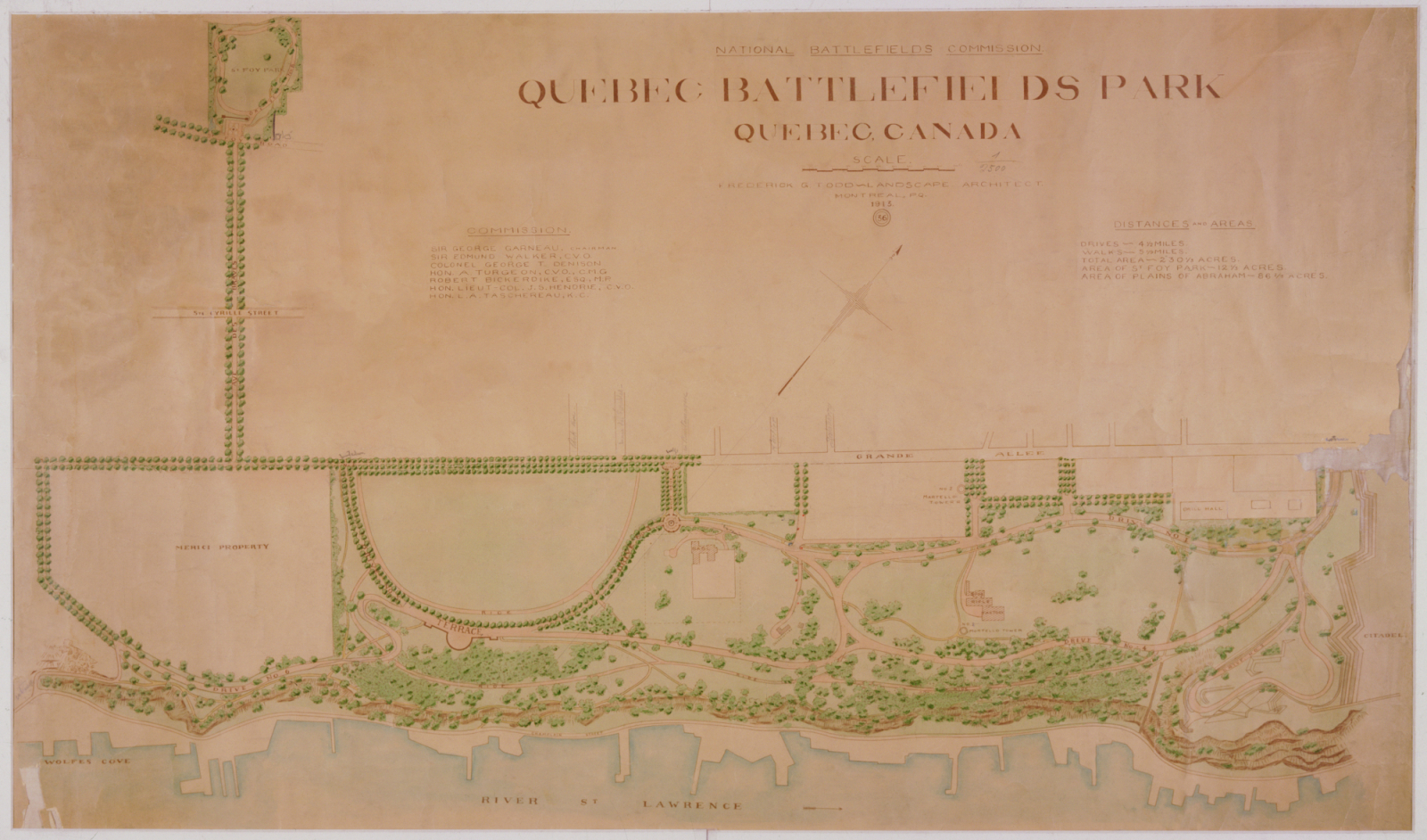
1910–1930
Des Braves Park, Martello Tower 4, Quebec Jail and Cove Fields
The Société Saint-Jean-Baptiste, which had owned the property of Des Braves Park since 1855, transferred it to the NBC in 1910. This zone had to be linked to the portion of the Plains farther south. The same year, the Town of Montcalm (not part of Quebec City at the time) offered the NBC the property that would become Avenue des Braves. Finally, the same year, the NBC acquired Martello Tower 4 and its property, in the Saint-Jean-Baptiste district.
Acquisition of the Quebec Jail and its land parcels required negotiating with the Quebec government; an agreement was reached in 1911. Afterwards, several landowners had to be convinced to give up their properties, including private homes in desired locations near Des Braves Park and along the avenue to the Wolfe Monument. Negotiations were difficult with the landowners, and in some cases the selling price had to be set by the courts.
From 1912 to 1926, the NBC negotiated with the Ursulines to obtain the properties needed for a Gilmour Hill extension to connect Anse-au-Foulon with Chemin Saint-Louis (now Avenue De Laune). The properties surrounding Gilmour Hill became NBC property in 1947.
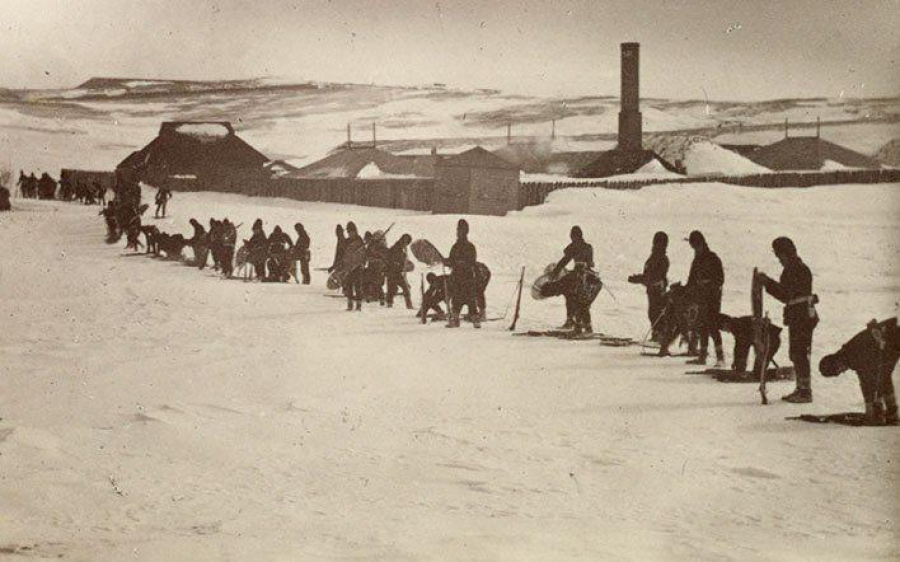
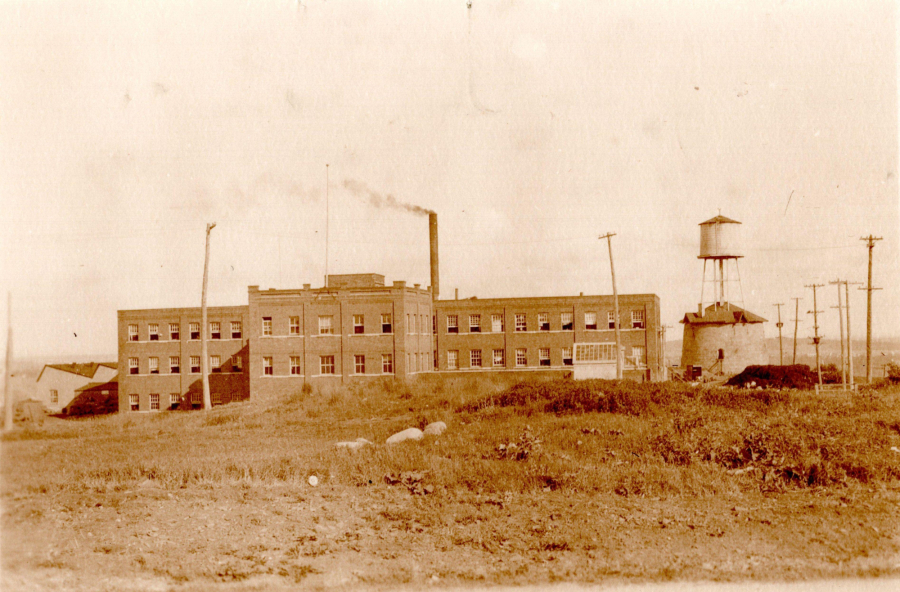
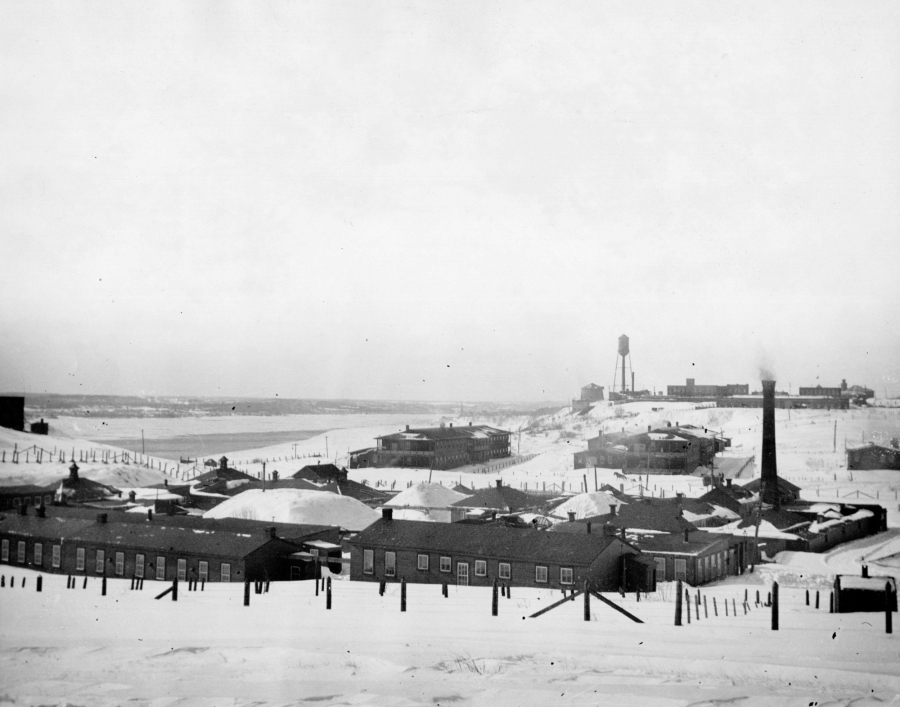
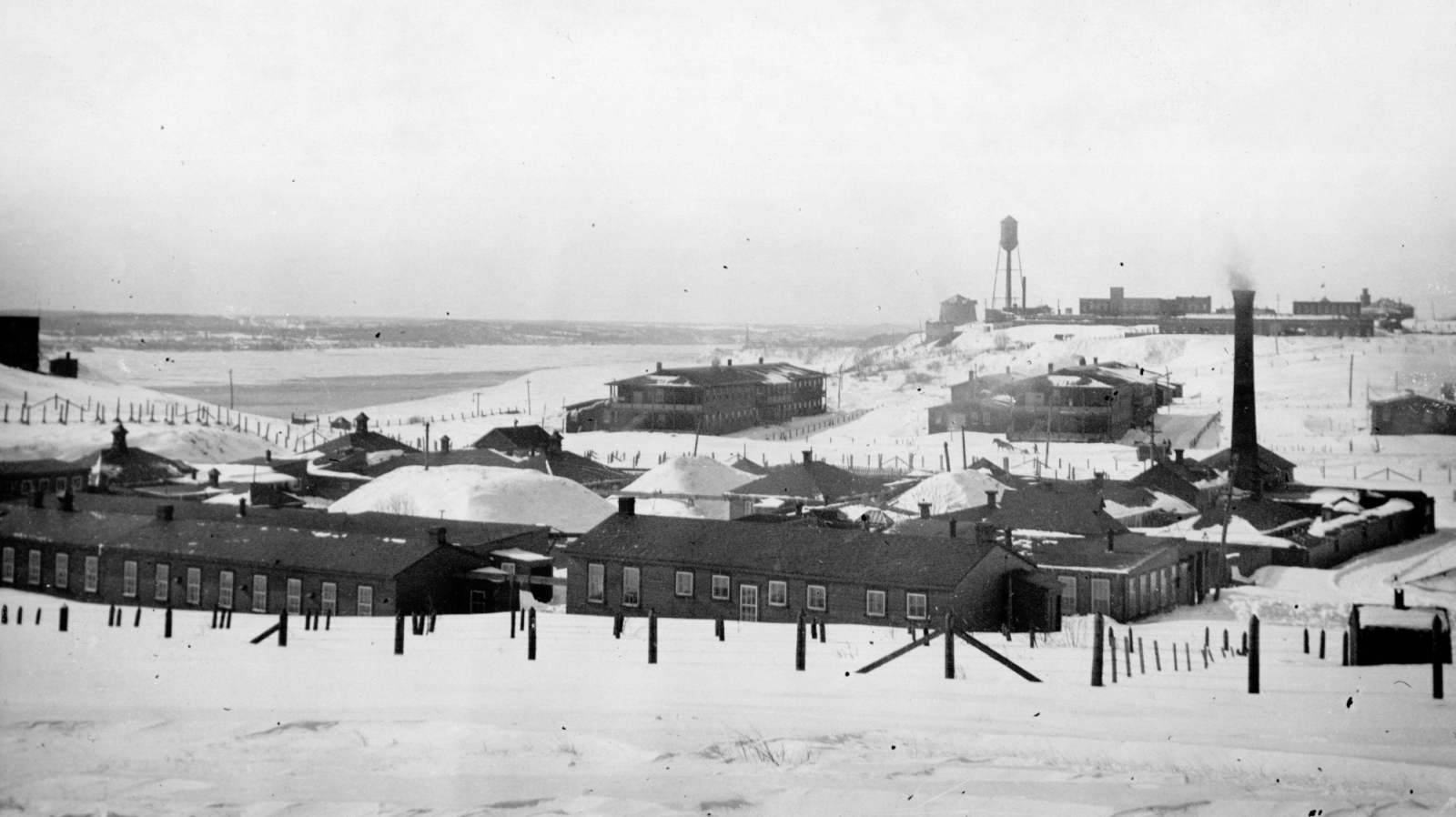
The Citadel overlooked an area commonly called “the Cove Fields” because of its cove-like shape. It was occupied by the Dominion Arsenal—a cartridge factory that produced ammunition for Canadian soldiers. Though owned by the Canadian government, this area remained unacquired for the park. The First World War made the Department of Militia and Defence (now the Department of National Defence) particularly wary of giving up ownership. It finally did so in 1928.
1930-1955
The Great Depression and a new lease on life
Acquisitions slowed down during the two world wars, as did park development. In 1930, twenty-two years after passage of the act creating the National Battlefields Park, the Plains of Abraham were not as verdant and peaceful as they are today. Maps of the time still showed several now-demolished buildings, like the Dominion Rifle Factory, and a lot belonging to the Dominican Order.
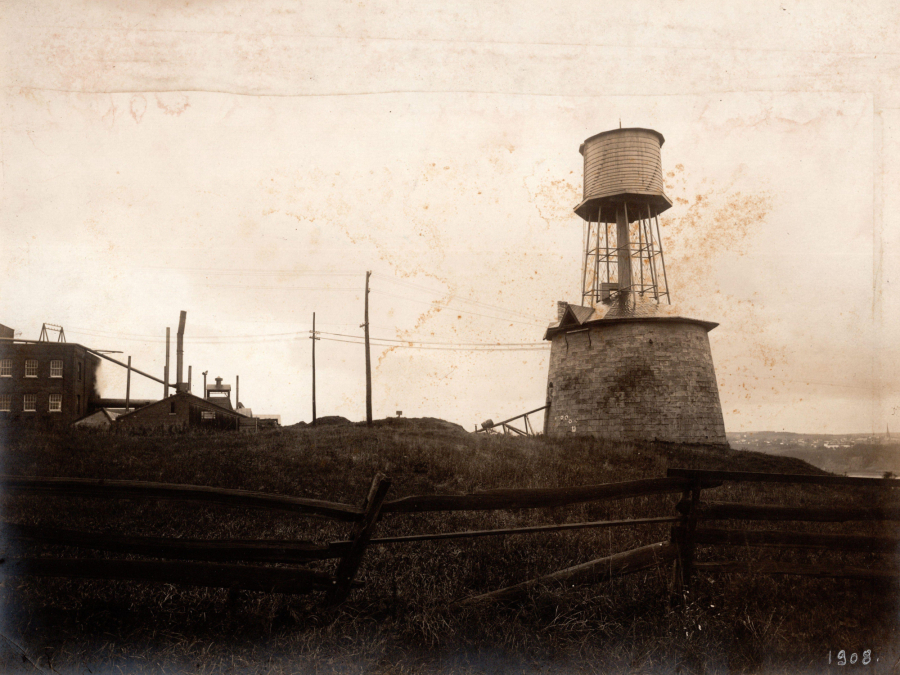
In 1936, the NBC acquired Martello towers 1 and 2. Martello Tower 1 had previously been a water tower for the Dominion Rifle Factory. Two more decades passed before the completion of Todd’s plan, with a few additions.
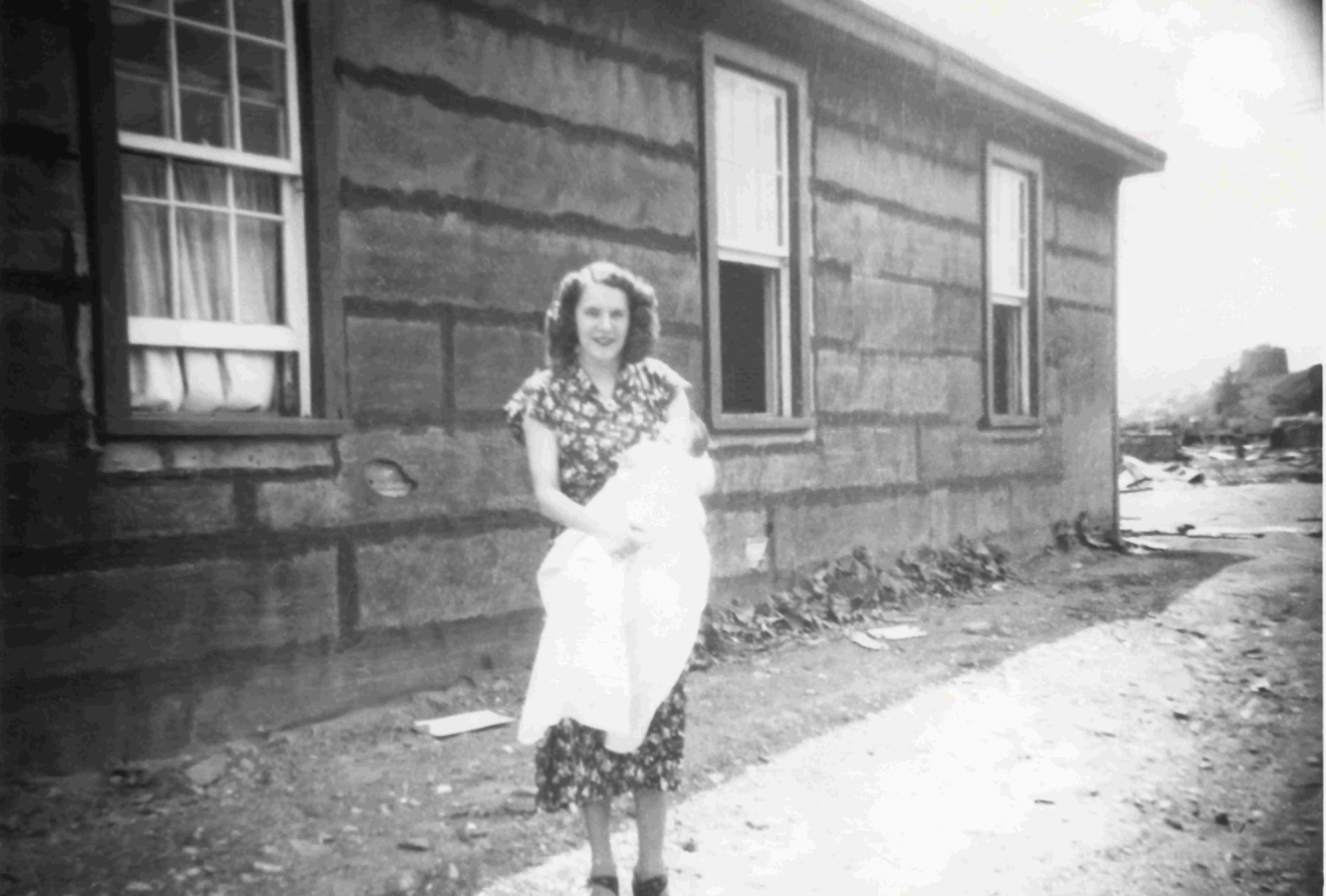
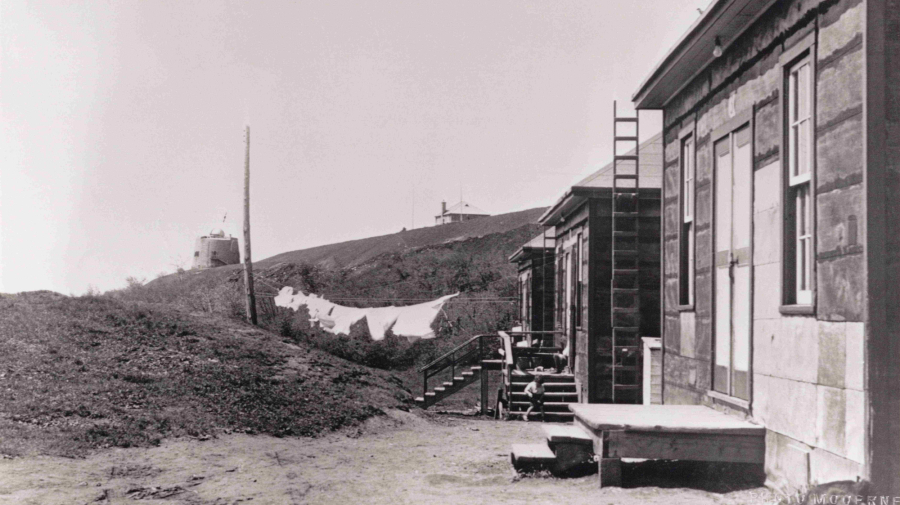
Behind the present-day Plains of Abraham Museum, the buildings on the Cove Fields served successively as army barracks, a prisoner-of-war camp, and then, beginning in 1945, housing for 120 families. The park development plan was finally completed with the demolition of these homes in 1951.
- 108 Hectares
- 266 Acres
Since the 1950s, the trees that Todd wished to see on the Plains of Abraham have grown considerably. One thing is sure: the efforts were worth the trouble. Today, the Battlefields Park welcomes nearly 4 million visitors annually. For them, it is an oasis of nature in the very heart of the city centre.