The Plains of Abraham in New France
In New France, the present-day site of the Plains of Abraham offered fertile ground for naturalists and their research. In the 17th century, it was explored by leading scholars connected to European institutes, including the Royal Academy of Sciences in Paris. Among them, three left a particularly significant mark on the history of the Plains.
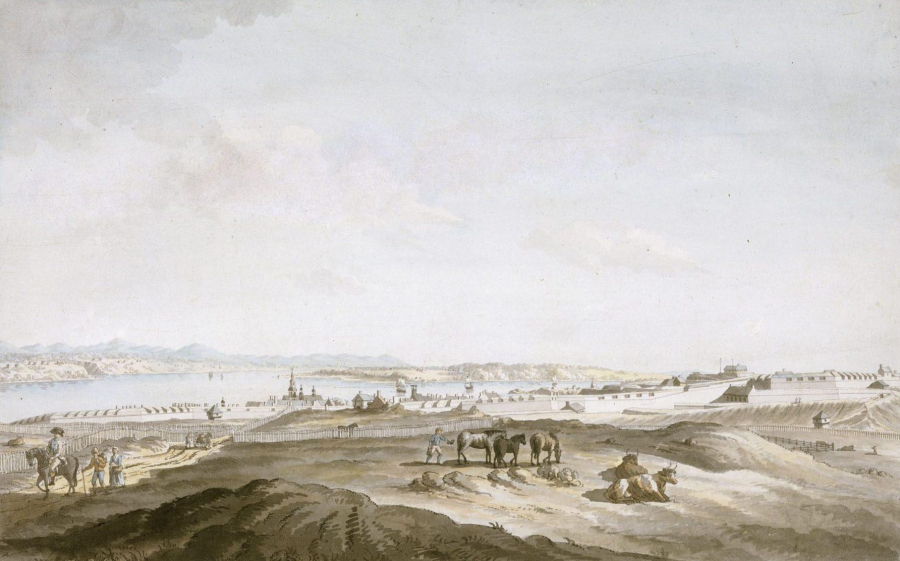
The New World’s Laboratory
Jacques Cartier
The resources of the New World were a source of interest to Jacques Cartier as he explored the St. Lawrence in the 16th century. Part of his quest, as one might expect, centred on precious metals and stones, but he was also fascinated with the trees and plants growing on the western end of the Quebec City promontory.
Louis Hébert
A century later Louis Hébert, Quebec’s first colonist, also took an interest in Canada’s flora. An apothecary by trade, he conducted experiments on his lands in an effort to learn about herbs and plants of medicinal value. His expertise in this area led Champlain to entrust to him the responsibility of acclimatizing apple trees transplanted from Normandy. It was probably Hébert who, directly or indirectly, supplied Canadian plants to Jacques Cornuti, a scientist from the Paris faculty of medicine who in 1635 published Canadensium Plantarum, Aliarumque nondum Editarum. This was Canada’s first book on plants and contains descriptions of some 80 species and varieties.
Michel Sarrazin
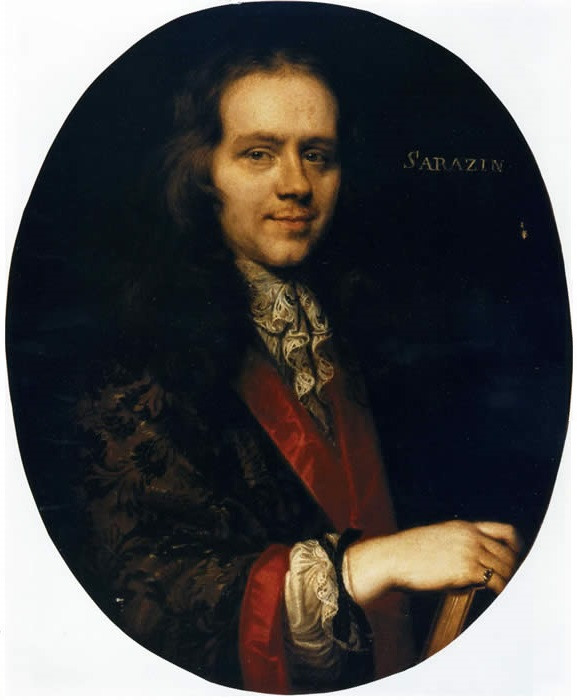
The first, surgeon, physician and botanist Michel Sarrazin lived in New France between 1685 and 1694 and served as a surgeon in the Marine. He returned to France for three years, after which, in 1697, he settled in the colony once and for all. The land held by him in the Saint-Jean fief appears to have included a portion of what is today the Battlefields Park. For more than 20years Sarrazin sent specimens of plants and bulbs to the brand new Muséum d’histoire naturelle in Paris. He is recognized as one of Canada’s premier botanists, and by the time he died in 1734 he had compiled close to 175 works, including the popular Catalogue et histoire des plantes du Canada.
The post of king’s physician remained vacant after Sarrazin’s death until 1742, when it was assigned to Jean-François Gaultier. As a botanist as well as a physician, Gaultier followed in his predecessor’s footsteps, having received Sarrazin’s collection of books after his death and his 200-page manuscript, Histoire des plantes du Canada, written in 1707. Like Sarrazin, Gaultier was in constant touch with Europe’s scientists and sent numerous bulbs and plants back to the mother country. At the request of Roland-Michel Barrin de la Galissonière, Governor of New France, he embarked on the preparation of a complete inventory of Canada’s plants.
An inhabitant of the Upper Town, Gaultier was doubtless quite familiar with the resources found on the Plains. For example, he used water containing iron oxide from one of its mineral springs and one of its varieties of wintergreen on his patients at the Hôtel-Dieu Hospital. He also guided the renowned Swedish botanist Pehr Kalm during his visit in 1749. Working together, the two scientists scoured the heights of Quebec City in a successful search for hitherto unknown plant specimens. Their discoveries were written in an unfinished manuscript of Kalm’s. His journal contained at least 40 new species found on what is probably the present site of the Plains. Among these, three are named in honour of his colleagues and predecessors: the first, wintergreen, he called La Gaulthiera in honour of Jean-François Gaultier; the second, Sarracenia purpurea in memory of Michel Sarrazin; and the third, Galissoniera in honour of the former governor, Roland-Michel Barrin de la Galissonière, a learned man and a natural science enthusiast.
![Sarracénie pourpre, [Sarracenia purpurea]. Ariane Giguère, photographie, Commission des champs de bataille nationaux.](https://ccbnwebprod.blob.core.windows.net/website/Histoire-et-patrimoine/Période-précoloniale/Nouvelle-France/_900xAUTO_fit_center-center_100_none/PP-F6-1-006.jpg)
![Gaulthiera couchée, [Gauthiera procumbens]. Ariane Giguère, photographie, Commission des champs de bataille nationaux.](https://ccbnwebprod.blob.core.windows.net/website/Histoire-et-patrimoine/Période-précoloniale/Nouvelle-France/_900xAUTO_fit_center-center_100_none/PP-F6-1-008.jpg)
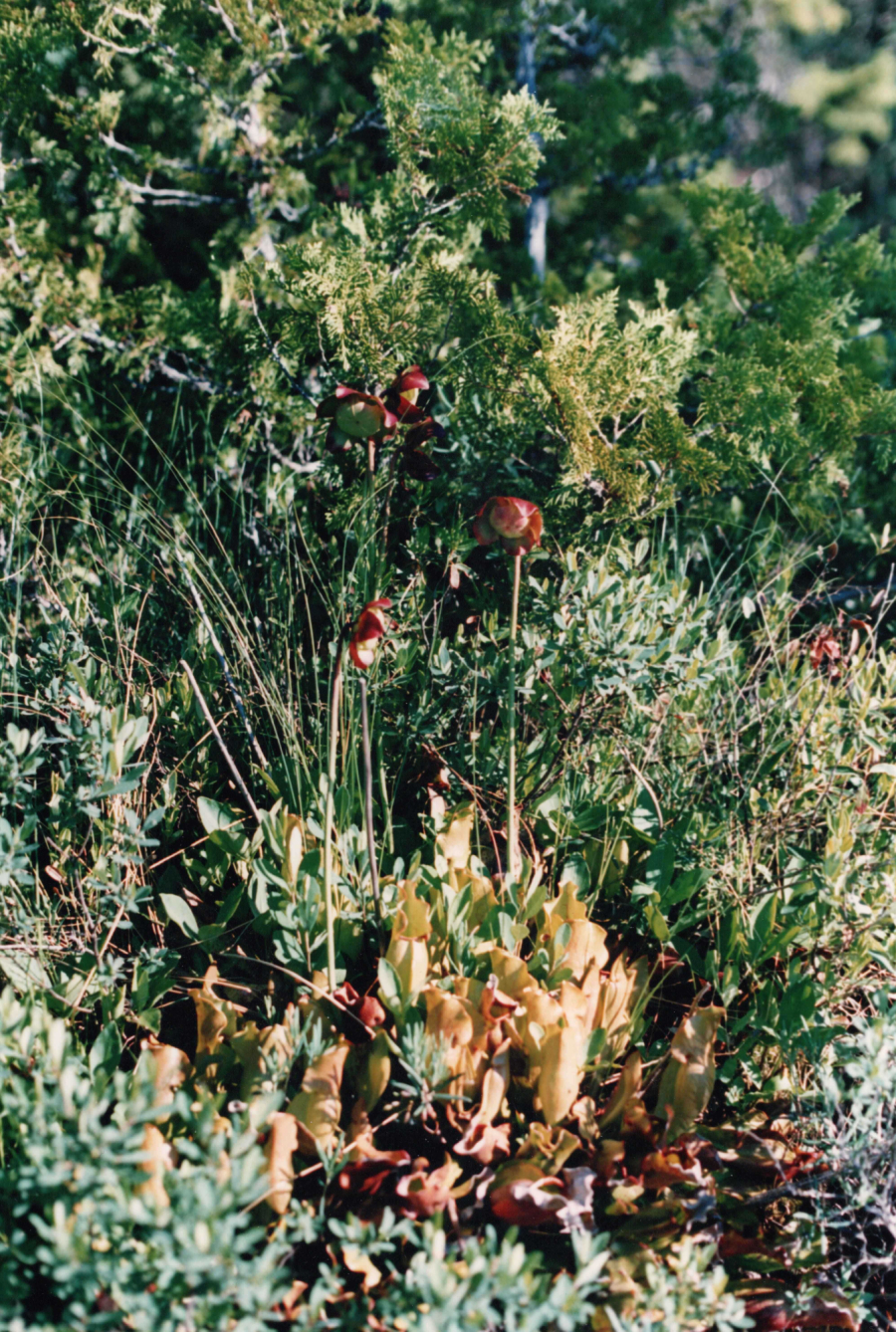
Kalm’s and Gaultier’s interests included geology, meteorology and astronomy as well as botany. The two scientists studied the schists characteristic of the ground under the Plains and the rocky hill on which Quebec City is built. Gaultier also conducted meteorological experiments, keeping records of daily temperatures. Kalm measured the variations between true north and magnetic north and was thus able to determine the exact geographical location of Quebec City.
Without question, explorers and scientists like Jacques Cartier, Louis Hébert, Michel Sarrazin, Jean-François Gaultier and Pehr Kalm helped to explore and develop the heights of Quebec City, thereby contributing, each in his own way, to the progress of science.
Long before it was named, Battlefields Park was known for the abundance and diversity of its natural resources and for its suitability as a place in which to conduct scientific experiments.
Settlement on the Plains of Abraham
A natural setting proudly overlooking Cap Diamant, the Plains of Abraham has since the founding of Quebec City been a favourite place among the city’s leaders and residents. Now a place in which to gather, relax, interpret and have fun, the site has had a variety of uses. As part of a larger formation known as the Quebec promontory, the land was used under the French regime for pasturing livestock, growing grain and for human settlement. With the capture of the city by the British, the Heights, in particular the southern part, or what is today the Plains, were seen by the military as having high strategic value.
1608–1759
The French Regime
The first land concessions on the Quebec promontory, bisected by the Grande Allée, the road joining Quebec City and Cap-Rouge, date back to the 17th century, when the northern part was inhabited primarily by colonists belonging to the lower classes, and the southern part, which is today the Plains, by the elite class.
Among the first occupants of the Plains were the Sevestre family. Beginning in 1640, six of the eight concessions on the territory lying between what are today the ramparts and the Martello towers belonged to this family of printers and booksellers. Having fled Paris apparently to escape royal persecution on account of some of their publications, Charles, Thomas and Jacques Sevestre, accompanied by their mother, settled on the Plains. Charles was the only family member to have children; of his two sons and five daughters, only the latter carried on the family’s line of descent.
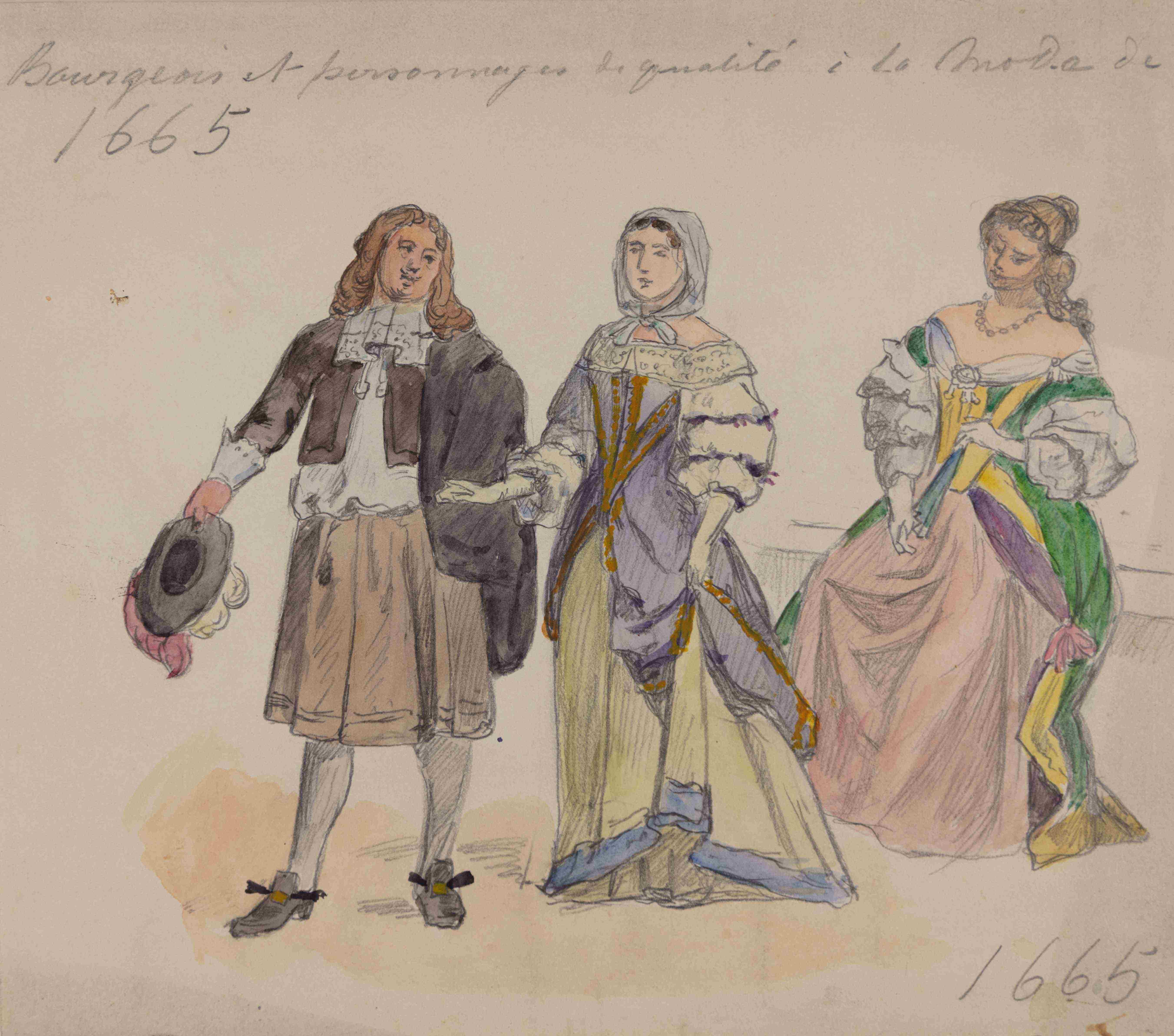
Once Charles died, a dispute arose among the heirs concerning the division of his property, in particular concerning a part of the Plains concession. Rather than divide the land, the parties agreed to draw lots; this resulted in Catherine Sevestre and her husband, Louis Rouer de Villeray, taking ownership.
Louis Rouer de Villeray was a member of a family of the lesser Italian nobility. He moved to New France around 1650, where he performed various administrative functions before becoming in 1663 the first counsellor in the Sovereign Council, making him the colony’s fourth-ranking official after the governor, the intendant and the bishop. Having inherited by marriage a number of parcels of land on the Plains, Rouer de Villeray expanded his holdings by way of various purchases and concessions, and by around 1660 he had a huge fief at the gates of the city on Quebec’s most attractive site. He called this estate “la Cardonnière.”
Louis Rouer d’Artigny, Rouer de Villeray’s second son, inherited the estate in 1701. He divided it up between 1720 in 1740, first because he had to, the colonial authorities having decided to erect a new line of fortifications, and second, possibly, to get some revenue. Louis Rouer d’Artigny died a bachelor in 1744. The Cardonnière estate was subsequently reassembled in the 1750s by herbalist Hubert-Joseph Lacroix.
In addition to the Sevestres and Rouer de Villerays, others occupied parcels of land on the Plains, beginning with, west of the Sevestres and, later, the Rouer de Villerays, the Augustines hospitalières of the Hôtel-Dieu. Between 1668 and 1702, they acquired four adjacent parcels of land on the site of what is now the Musée national des beaux-arts and the old prison. They did not use the land themselves, but leased it to various individuals who used it primarily for pasture. A century later, this land was still available for lease. However, its vocation had changed and it was now attracting members of the liberal professions who were building residences along the Grande Allée, as well as being used for recreation by the Army. Among the tenants were the daughter of the grand voyer [chief superintendent], an attorney, a law student, the manager of the Office des billets d’armée [bureau of army billeting] and Joseph Tardif, bailiff of the Quebec City courthouse.
Westward of the nuns’ estate, on what is now the Plains sports field, were families of colonists who in the 17th century lived on properties ranging in size from one to one and a half acres frontage, extending from the Grande Allée to the river. They included Marie Langlois, Zacharie Maheust a.k.a. Point-du-Jour, Jacques Maheust, Jean Côté, Jean Normand, Gervais Normand and his wife, Antoine Brassard, Père de Noël Pinguet, to name only a few. Most of them used the land for pasture, and very few for housing. The Ursulines began assembling land in 1668, and by 1737 they declared that they had land measuring 10 arpents frontage by 10 in depth. This acreage would give the Ursulines a measure of self-sufficiency should supplies become unavailable.
Partial sources:
Jacques Mathieu and Alain Laberge, “À l’époque de la Nouvelle-France”, in Jacques Mathieu and Eugen Kedl dir., Les plaines d’Abraham: le culte de l’idéal, Sillery, Septentrion, 1993, p. 55-60.
Jacques Mathieu and André Daviault, Le premier livre de plantes du Canada. Les enfants des bois du Canada au Jardin du roi à Paris en 1635, Sainte-Foy, Les Presses de l’Université Laval, 1998, p.194.
Images:
- View of the City and Harbour of Quebec, James Peachey, watercolor and pen and ink over pencil on paper, 1784. Library and Archives Canada.
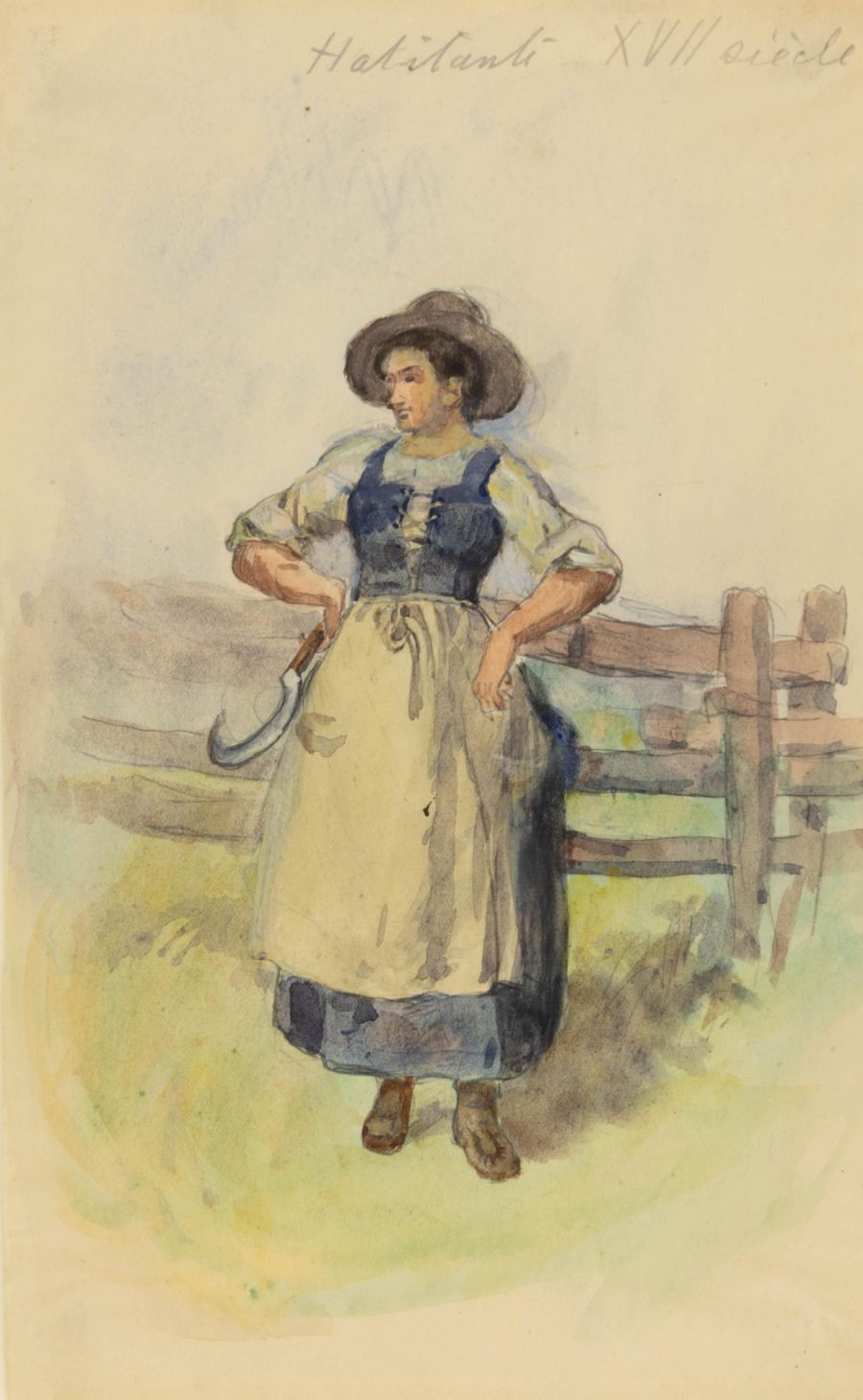
- Woman of New France, 17th century, Charles Huot, watercolor on paper, 1908. National Battlefields Commission
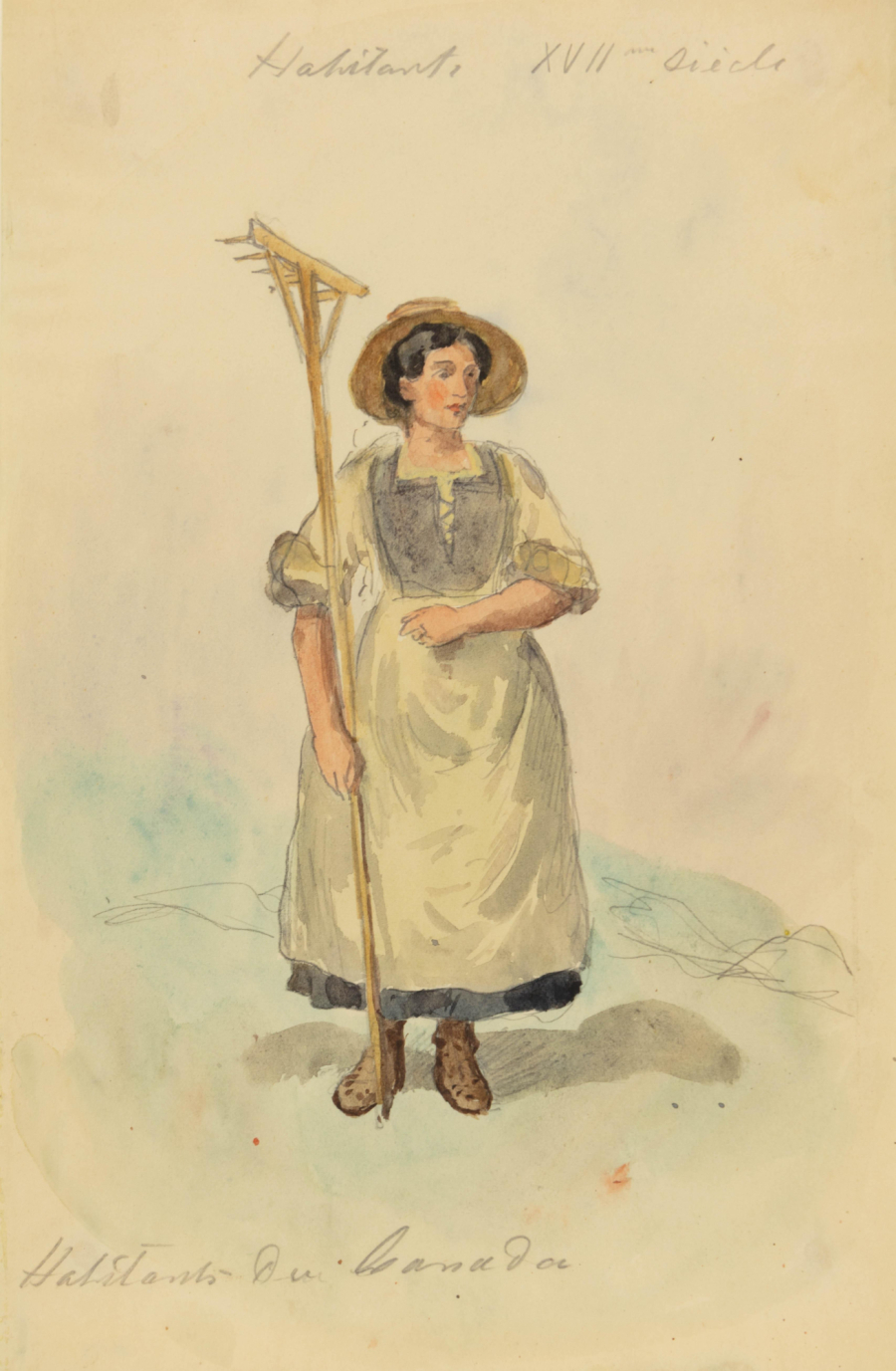
- Woman of New France, 17th century, Charles Huot, watercolor on paper, 1908. National Battlefields Commission
- Michel Sarrazin. Pierre Mignard, oil on canvas, McCord Stewart Museum
- Pitcher Plant [Sarracenia purpurea]. Ariane Giguère, photograph, National Battlefields Commission
- Wintergreen [Gaultheria procumbens]. Ariane Giguère, photograph, National Battlefields Commission
- Bourgeois, Bourgeoise, and Lady of Quality in 1665 Fashion, Charles Huot, watercolor on paper, 1908. National Battlefields Commission